politics
Australian PM Defends Social Media Reforms Amid US Backlash
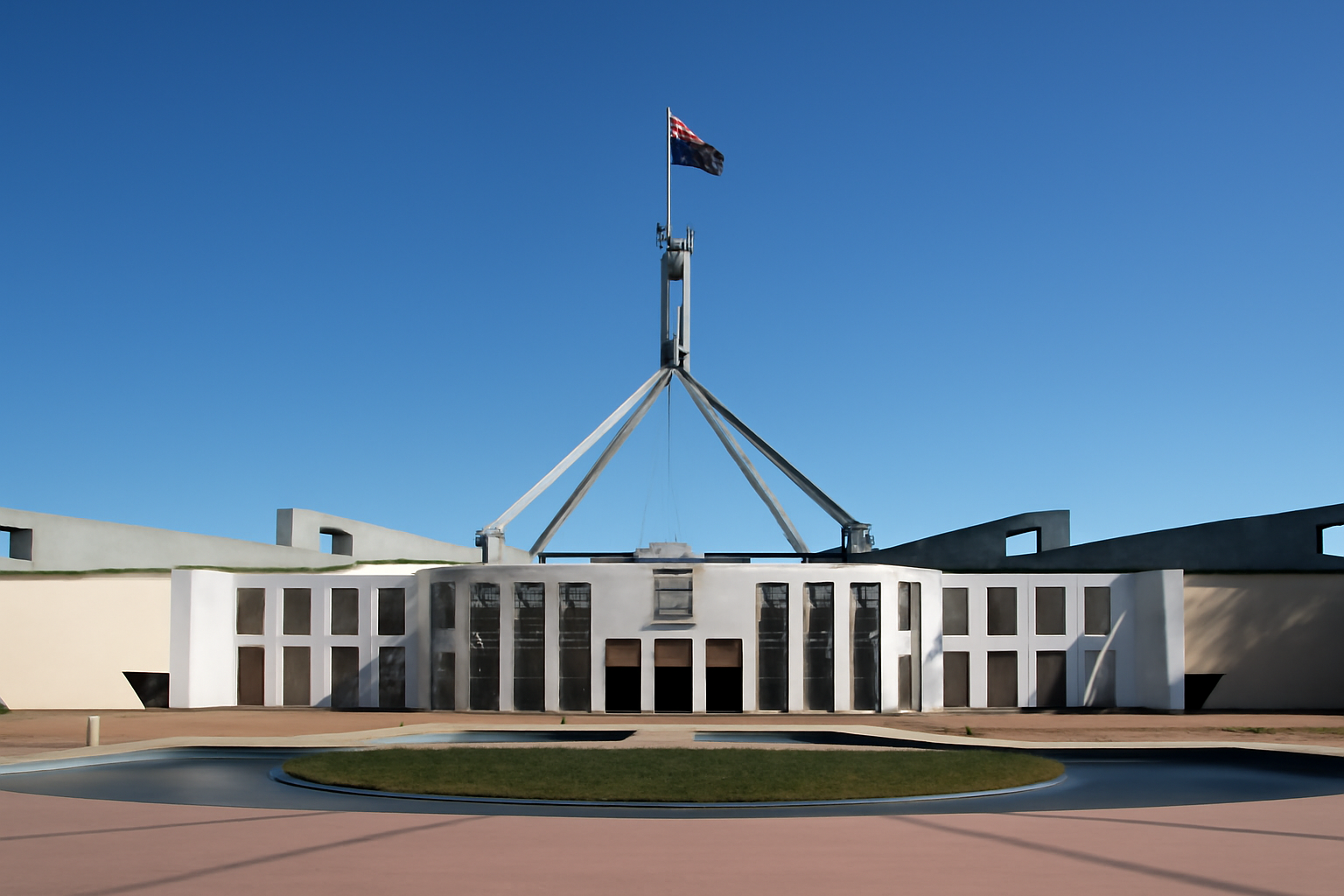
The Australian Broadcasting Corporation reported that Australia's prime minister has defended the country's social media reforms after criticism from the United States, according to an ABC News headline circulated on Google News.
What Did The ABC Report Say?
The available wire summary confirms only the headline claim itself: that the prime minister is defending social media reforms amid backlash originating in the United States. The underlying ABC News article — the primary source for this story — was not accessible in full for this report, and no direct quotes, dates, or specific policy provisions were available to verify beyond the headline.
Why Does This Matter To Readers?
Australia has been a focal point in global debates over how governments regulate technology platforms, and any friction with the United States over such rules would be of interest to policymakers, tech companies, and the public on both sides of the Pacific. Readers seeking the full context — including which specific reforms are at issue, what US officials or companies have said in objection, and how the prime minister responded — should consult the original ABC News reporting directly.
What Wasn't Confirmed In This Report?
This report does not name the prime minister, characterize the reforms, or quote any US official, because those details were not present in the source material provided. Readers should treat any such specifics circulating elsewhere as unconfirmed until checked against ABC News' full account.
Where Can Readers Get More Detail?
The originating story is available through ABC News via Google News. Given the thin sourcing available for this item, Holier Than Tao is publishing a narrower account rather than expanding on details it could not independently verify.
How Does Headline-Only Wire Sourcing Happen?
Aggregated feeds such as Google News frequently surface a single headline and byline without delivering the full text of the underlying article to downstream readers or automated collection tools. In this case, the feed entry for the ABC News item carried only the headline framing — a prime minister defending social media reforms against American criticism — with no accompanying body text, dateline, or attributed quotations. That gap is common with wire aggregation: the index catalogs what a story is about, not what it says. It leaves downstream outlets with two choices, either fill the gap with inference or decline to do so. This report takes the latter path.
What Should Readers Ask Before Sharing A Story Like This?
When a headline references a government official "defending" a policy against foreign criticism, readers have reason to want specifics: which reforms, whose criticism, and what the defense actually said. Absent those details, a prudent reader should ask whether the outlet reporting the story had access to the original article, whether any quotations are attributed to a named official, and whether the claims can be checked against a primary government or court document. None of those elements were available here, which is why this account stops short of characterizing the dispute beyond the headline claim itself.
Why Publish A Narrower Story Instead Of Waiting?
The alternative to publishing a narrower account is either fabricating detail to make the story feel complete or withholding the item entirely until fuller sourcing emerges. Holier Than Tao's editorial standards call for the first option to be off the table regardless of reader interest in the subject. Waiting is sometimes the right call, but because the underlying ABC News report is already public and indexed, flagging its existence — while being explicit about what remains unverified — serves readers better than silence, provided the piece is honest about its own limits.
What Comes Next For This Story?
Should the full ABC News article become accessible, or should the prime minister's office, the relevant Australian regulator, or affected US-based platforms issue statements, a fuller account naming the officials involved and describing the specific reform provisions at issue would be warranted. Until then, readers who need the details now — the identity of the prime minister quoted, the substance of the reforms, and the nature of the American objections — are best served by going directly to the ABC News link above rather than relying on secondhand characterizations built on a headline alone. Outlets that skip that step risk repeating a claim several times removed from its original attribution, which is precisely the pattern this report was built to avoid.