politics
Far-Right Parties Turn Air Conditioning Into Europe's Culture War
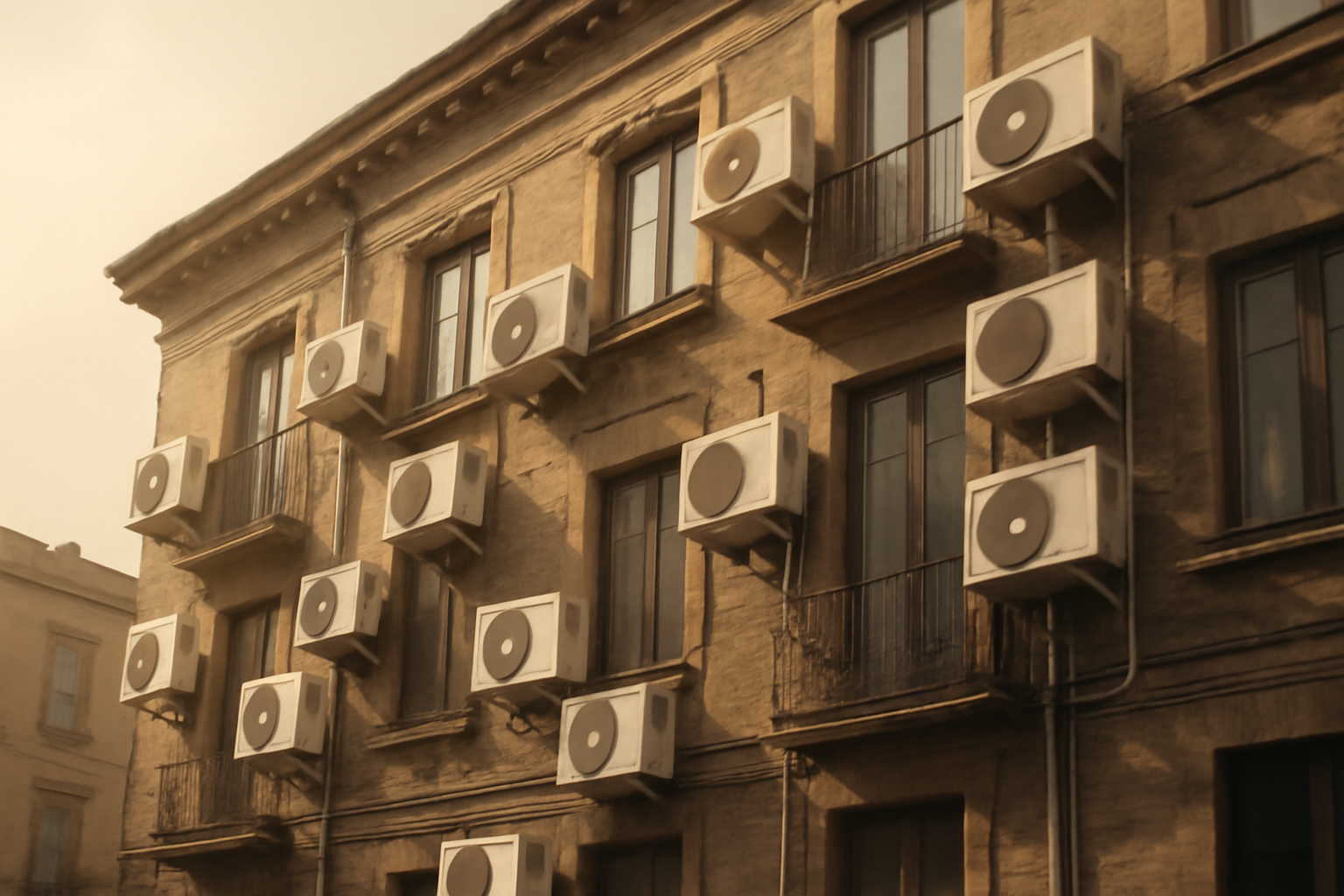
Far-right parties in several European countries are treating access to air conditioning as a political grievance, not a technical policy question, according to an analysis published by EUobserver as the continent works through another summer of record heat. The outlet's reporting describes cooling policy as the newest entry point for right-wing resistance to European Union climate rules, arriving at a moment when heatwaves have become a recurring, not occasional, feature of the European calendar.
The framing matters because it reshapes a public-health question — who can afford to stay cool during dangerous heat — into a grievance about regulation, cost, and who gets to decide how Europeans live indoors.
How Are Far-Right Parties Framing Air Conditioning?
According to EUobserver's analysis, right-wing factions are positioning cooling access as a symbol of ordinary life under threat from climate-linked rules, rather than treating rising demand for air conditioning as a straightforward response to hotter summers. The outlet's own headline captures the dynamic directly:
"Europe is boiling — and the far-right is turning air conditioning into a culture war."
That framing casts the debate less as an engineering or affordability problem and more as a values fight — one where resistance to efficiency standards or emissions targets gets mapped onto resistance to climate policy generally.
What Climate-Linked Cooling Rules Are They Resisting?
EUobserver's analysis centers on the broader tension between EU-level climate commitments and national-level installation, efficiency, or emissions rules that touch cooling equipment. The reporting frames far-right pushback as part of a wider pattern of resisting climate-linked regulation, without EUobserver detailing every specific rule contested in the excerpt available. Readers looking for the underlying policy language — which efficiency directives, national codes, or emissions targets are being cited by name — should consult EUobserver's full analysis directly, since the underlying rules vary by member state.
Why Is Heat Policy Becoming a Political Flashpoint Now?
The timing is not accidental. EUobserver's reporting ties the politicization directly to the season Europe is currently experiencing: record summer temperatures that have pushed cooling from a comfort issue to a survival issue in parts of the continent. When a policy area moves from optional to urgent — as cooling access has for vulnerable populations during extreme heat — it becomes a higher-stakes target for political messaging on both sides. The outlet's framing suggests far-right parties are capitalizing on that urgency to argue that climate rules are making a basic necessity, staying cool, more expensive or harder to access.
What Does This Mean for EU Climate Policy Going Forward?
The practical stakes are straightforward even if the specific legislative fights are not detailed in the material available: any EU or national rule touching energy efficiency, refrigerants, or building codes for cooling equipment now carries political exposure it may not have carried a decade ago. EUobserver's analysis suggests this is part of a broader pattern, not an isolated dispute over one appliance, meaning future climate-adjacent rules on heating, insulation, or emissions could face the same treatment. That raises the bar for policymakers who have to defend both the environmental rationale and the affordability case for any rule that shapes how quickly, or how expensively, households can cool their homes.
What Isn't Clear Yet From the Reporting?
The available material identifies the trend — far-right parties framing air conditioning and cooling policy as culture-war terrain — without naming every party, country, or specific bill involved in the excerpt provided here. Readers seeking those particulars, including which national governments or EU-level proposals are cited, should go to the original EUobserver piece for the full account.
The pattern of environmental or regulatory disputes turning into broader political fights is not confined to Europe. A similar dynamic has surfaced in Colorado, where a proposed fur ban has split urban and rural residents over regulation, tradition, and cost — a reminder that once a policy touches daily life directly, it tends to stop being a purely technical debate.
Questions
What did EUobserver report about air conditioning in Europe?
EUobserver's analysis found far-right parties are framing air conditioning access and cooling regulation as a culture-war issue during a summer of record heat across Europe.
Are far-right parties opposed to air conditioning itself?
The reporting describes them resisting climate-linked cooling regulations and framing the debate around cost and lifestyle rather than opposing air conditioning as equipment.