
Deforestation: Causes, Effects and Solutions
Deforestation is the permanent destruction of forests to make way for other uses such as agriculture or urban development. It is a significant environmental problem that has far-reaching consequences not only on the environment but also on human life. Deforestation is a leading cause of climate change, loss of biodiversity, soil erosion, water cycle disruption and air pollution. In this article, we will explore the causes and effects of deforestation as well as some possible solutions.
Causes of Deforestation
One major driver of deforestation is agriculture. Farmers clear large areas of forests to create more land for crops and livestock grazing. This practice is common in developing countries where subsistence farming is prevalent. The use of slash-and-burn techniques by farmers also contributes to deforestation.
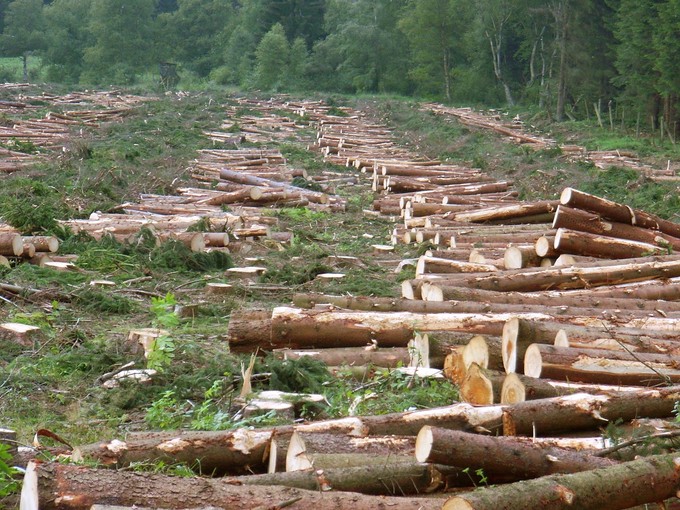
Another cause of deforestation is logging for timber production. Trees are cut down without any consideration for replanting or conservation measures leading to widespread forest degradation.
Mining activities are also responsible for significant forest loss worldwide. Mining companies often destroy forests in their quest for mineral resources such as oil, coal and gold.
Urbanization is another driver of deforestation whereby trees are cleared to make way for roads, buildings and infrastructure development projects.
Effects of Deforestation
The effects of deforestation are numerous and far-reaching:
Climate Change
Forests play an essential role in regulating the earth’s climate through carbon sequestration – removing carbon dioxide from the atmosphere – which helps combat global warming. When forests are destroyed through deforestation practices like burning or cutting down trees, they release all that stored carbon into the atmosphere causing an increase in greenhouse gases leading to climate change.
Loss Of Biodiversity
Forests provide habitats for millions if not billions species including plants and animals that call it home; with many still undiscovered by man. When forests disappear due to deforestations practices like clearing land indiscriminately or using harmful chemicals during agricultural activities – these species lose their habitats, which can lead to extinction.
Soil Erosion
Trees are essential in holding soil together; preventing erosion and maintaining the soil structure. When forests are destroyed through deforestation practices such as overgrazing or clear cutting – this leads to a loss of vegetation cover leading to increased sedimentation and soil erosion.
Water Cycle Disruptions
Forests play an essential role in maintaining water cycles by regulating evapotranspiration rates, rainfall patterns and streamflow. Deforestation disrupts these processes leading to decreased water availability, flooding, landslides and other natural disasters.
Air Pollution
Forests absorb pollutants from the air helping to purify it. With the destruction of forests due to deforestation activities like burning trees – this leads to an increase in air pollution levels – putting human health at risk.
Solutions To Deforestation
There is no single solution when it comes to addressing deforestation since its causes vary widely across countries and regions. However, some possible solutions include:
Protecting Forests Through Conservation Measures
Governments should enact policies that protect forests through conservation measures such as establishing protected areas, creating wildlife corridors and implementing sustainable forest management practices.
Promoting Sustainable Agriculture Practices
Farmers can adopt sustainable agricultural practices like agroforestry where crops are grown alongside trees instead of clearing land for monoculture farming techniques that cause widespread deforestations problems.
Creating Alternative Livelihood Opportunities for Local Communities.
The creation of alternative livelihood opportunities for local communities who depend on forests can help reduce pressure on forest resources. This could be achieved using methods like eco-tourism or developing non-timber forest products markets that provide incentives for people not to engage in destructive activities within the forest ecosystem.
Reducing Consumption Of Timber Products.
Consumers worldwide should reduce their demand for timber products sourced from unsustainable logging practices by opting for certified sustainably produced timber or other alternatives made from recycled materials or renewable energy sources like bamboo.
Conclusion
Deforestation is a complex environmental problem with far-reaching consequences that affect not only the environment but also human life. It has been linked to climate change, loss of biodiversity, soil erosion, water cycle disruption and air pollution. Addressing deforestation requires a concerted effort from all stakeholders including governments, communities and individuals worldwide. By protecting forests through conservation measures, promoting sustainable agricultural practices, creating alternative livelihood opportunities for local communities and reducing consumption of timber products – we can help mitigate the negative effects of deforestation on our planet.