
International trade has been a critical part of the global economy for centuries. It is defined as the exchange of goods and services across international borders, and it plays a vital role in promoting economic growth, creating jobs, and improving living standards around the world.
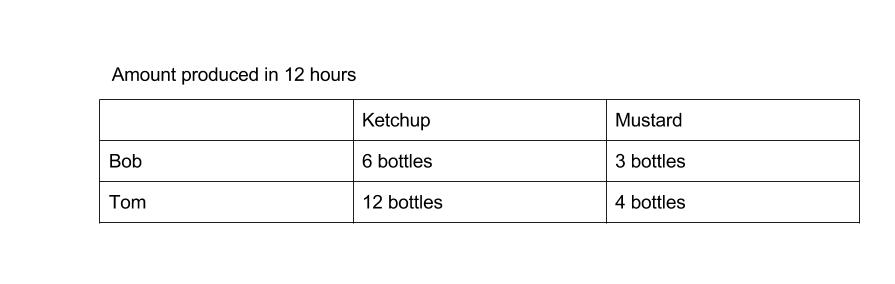
The benefits of international trade are numerous. One advantage is that it enables countries to specialize in producing goods or services that they can produce more efficiently than others. This is known as comparative advantage – when one country can produce a good at a lower opportunity cost than another country. By specializing in what they do best, countries can increase their output and generate higher levels of income.
Another benefit of international trade is that it promotes competition among producers, leading to increased efficiency and lower prices for consumers. When companies have access to larger markets, they are forced to compete with other firms from around the world who offer similar products or services. Competing on price, quality, or innovation helps drive down costs while driving up quality products.
International trade also creates jobs by increasing demand for labor-intensive industries such as manufacturing or agriculture sectors where workers tend to have fewer skills but still provide essential support for many economies worldwide.
However, along with its advantages come some disadvantages that need to be addressed through effective policies and regulations. One drawback is that there may be job losses in certain sectors due to foreign competition which can lead to unemployment problems in affected areas. Some argue this could result from outsourcing work overseas or importing cheap foreign goods made using low-cost labor practices.
Another disadvantage arises when developed countries sometimes use their power over weaker states’ economies by imposing tariffs (taxes) on imports so that local businesses don’t face too much competition from abroad; thus protecting them from having too much pressure put upon them by global market forces at large.
In recent times International Trade has gotten complicated with issues like Intellectual Property Rights(IPR), data localization laws etc being thrown into the mix which require robust frameworks coupled with strong institutions and regulations to ensure that everyone is well represented.
Finally, international trade can also lead to environmental degradation as companies may seek out countries with less stringent environmental standards. This often results in the exploitation of natural resources and pollution problems that may take years or decades to reverse.
In conclusion, international trade plays a vital role in promoting economic development and improving living standards around the world. However, it is important to address its drawbacks while acknowledging its benefits by setting up effective policies and regulations so that everyone can benefit from this global opportunity.