
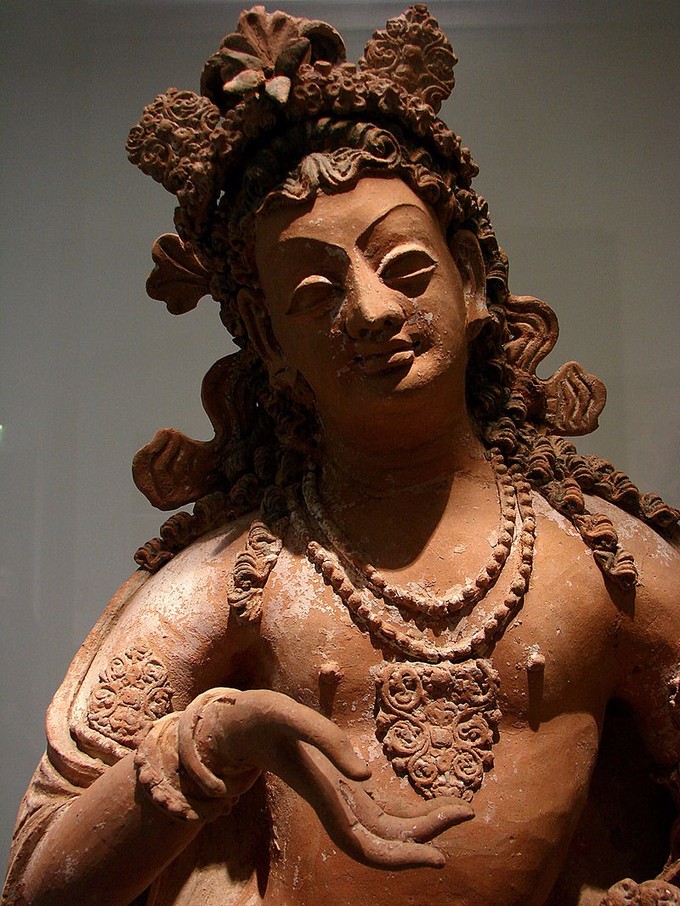
Bodhisattva: The Enlightened Beings of Mahayana Buddhism
Bodhisattvas are revered beings in the Mahayana tradition of Buddhism. They are often depicted as enlightened beings who have chosen to postpone their own nirvana, or liberation from the cycle of birth and death, so that they can help others achieve enlightenment.
The term “Bodhisattva” is derived from two Sanskrit words: bodhi, which means “enlightenment,” and sattva, which means “being.” Thus, a Bodhisattva is a being who seeks enlightenment for the benefit of all living beings.
In Mahayana Buddhism, Bodhisattvas are considered to be among the highest forms of spiritual accomplishment. They represent an ideal way of life that combines compassion with wisdom. According to this tradition, anyone can become a Bodhisattva by cultivating these qualities within themselves.
There are many different Bodhisattvas in Mahayana Buddhism – each with their own unique qualities and characteristics. Some are more well-known than others. For example:
Avalokiteshvara (also known as Guanyin or Kannon): This is one of the most popular figures in Mahayana Buddhism. Avalokiteshvara is associated with compassion and is often depicted as having multiple arms or heads – symbolizing his ability to reach out to many people at once.
Manjushri: This Bodhisattva embodies wisdom and is often depicted holding a sword that cuts through ignorance.
Kshitigarbha: Also known as Jizo Bosatsu in Japan, this Bodhisattva is associated with protection and healing – particularly for those who have died prematurely or tragically.
In addition to these well-known figures, there are countless other Bodhisattvas in Mahayana Buddhism – each representing various aspects of enlightenment and compassionate action.
One important aspect of the idea of being a Bodhisattva is the concept of “skillful means” or upaya. This refers to the idea that in order to help others, we must be able to adapt our methods and teachings to meet their needs. In other words, there is no one-size-fits-all approach to enlightenment.
This is why many Bodhisattvas are depicted as having multiple forms – each tailored to a specific situation or audience. For example, Avalokiteshvara may appear as a male figure in some contexts and a female figure in others – depending on what will best resonate with those he seeks to help.
In Mahayana Buddhism, the path of the Bodhisattva is considered open to anyone who wishes to follow it. It involves cultivating compassion for all living beings (including oneself), developing wisdom through study and practice, and dedicating oneself wholeheartedly to helping others achieve liberation from suffering.
While this path can be challenging at times, it offers great rewards – not only for oneself but also for those around us. By working towards enlightenment for the benefit of all beings, we can create a more compassionate and just world.
In conclusion, Bodhisattvas represent an ideal way of life in Mahayana Buddhism – one that combines compassion with wisdom in service of all living beings. Whether we choose to emulate these enlightened beings directly or simply draw inspiration from their example, their teachings offer valuable guidance on how we can cultivate greater peace and happiness both within ourselves and in the world around us.